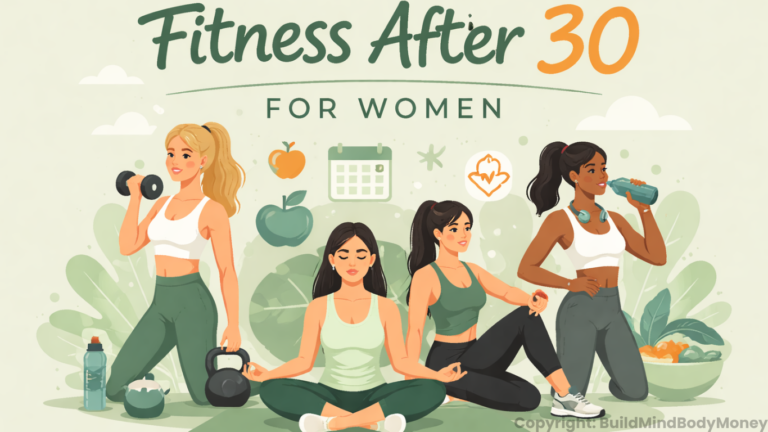
As women enter their 30s, the body begins to change—metabolism may slow slightly, recovery can take longer, and lifestyle responsibilities increase. Research from the National Institutes of Health (NIH) highlights that regular physical activity improves muscle mass, bone density, and mental health as we age. The key is not doing more—but doing what works consistently and sustainably.
What changes in a woman’s body after 30?
Summary: Hormonal shifts, muscle loss, and lifestyle changes make strength, recovery, and consistency more important than intensity.
After 30, women may experience:
- Gradual muscle loss (sarcopenia)
- Slower metabolism
- Hormonal fluctuations (estrogen, cortisol)
- Increased stress and reduced recovery time
This doesn’t mean decline—it means strategy matters more than effort alone.
What this means for your fitness:
- Strength training becomes essential
- Recovery needs attention
- Extreme workouts become less sustainable
What is the best type of workout for women over 30?
Summary: A balanced routine of strength training, movement, and flexibility works best for long-term health.
Instead of focusing only on cardio, a well-rounded approach delivers better results.
Ideal weekly structure:
- Strength training (3–4 days)
Builds muscle, boosts metabolism - Low-impact cardio (2–3 days)
Walking, cycling, swimming - Mobility & stretching (daily or alternate days)
Improves flexibility and reduces injury
Example:
- Monday: Strength (lower body)
- Tuesday: Walk + mobility
- Wednesday: Strength (upper body)
- Thursday: Rest or yoga
- Friday: Full body strength
- Weekend: Light activity
How can women stay consistent with fitness after 30?
Summary: Consistency improves when workouts are realistic, flexible, and aligned with your lifestyle.
The biggest challenge is not knowledge—it’s consistency.
Practical ways to stay consistent:
- Keep workouts 30–40 minutes
- Choose a fixed time (morning/evening)
- Use home workouts when busy
- Focus on “showing up” rather than perfection
Example:
If your day gets hectic, a 15-minute workout still counts.
Consistency builds identity: “I am someone who takes care of my health.”
What role does nutrition play after 30?
Summary: Nutrition becomes critical for energy, recovery, and hormonal balance.
Fitness without proper nutrition leads to fatigue and slow results.
Key nutrition principles:
- Prioritize protein intake (supports muscle)
- Eat balanced meals (protein + carbs + healthy fats)
- Stay hydrated
- Avoid extreme diets
Research from Harvard T.H. Chan School of Public Health emphasizes balanced nutrition for long-term health:
Simple example:
- Breakfast: Eggs + whole grain toast
- Lunch: Dal, rice, vegetables
- Dinner: Protein + vegetables
Why is strength training important for women after 30?
Summary: Strength training prevents muscle loss, improves metabolism, and supports long-term health. Many women avoid weights—but strength training is one of the most important things you can do after 30.
Benefits:
- Maintains muscle mass
- Improves bone density
- Boosts metabolism
- Enhances confidence
Beginner-friendly approach:
- Bodyweight exercises (squats, push-ups)
- Resistance bands
- Light weights
You don’t need a gym—just consistency.
How does fitness impact mental health after 30?
Summary: Exercise improves mood, reduces stress, and builds mental resilience.
According to the American Psychological Association (APA), regular exercise reduces anxiety and improves emotional well-being:
- Reduces stress hormones
- Improves sleep
- Enhances focus
- Builds confidence
Even a 20-minute walk can reset your mood.
How can busy women make time for fitness?
Summary: Fitness doesn’t require hours—just intentional scheduling and prioritization. Time is often the biggest barrier.
Practical solutions:
- Schedule workouts like meetings
- Use short home workouts
- Combine movement with daily tasks (walking calls)
- Wake up 20 minutes earlier
Mindset shift:
You don’t “find” time—you create it.
What mistakes should women avoid after 30?
Summary: Overtraining, extreme diets, and inconsistency are the biggest mistakes.
Common mistakes:
- Doing only cardio
- Following extreme diets
- Ignoring recovery
- Expecting fast results
- Being inconsistent
Better approach:
Focus on long-term habits over short-term transformation.
Conclusion
Fitness after 30 isn’t about doing more—it’s about doing what works consistently. Focus on strength, balanced nutrition, and realistic routines. Small, repeatable actions will build lasting energy, confidence, and health that supports every area of your life.
FAQs
Yes. With proper strength training and protein intake, women can build and maintain muscle well into their 30s, 40s, and beyond.
Ideally 4–5 days per week, combining strength training, cardio, and mobility work.
The best time is the one you can stay consistent with—morning or evening both work.
Disclaimer:
All content published on Build Mind Body Money is provided for general informational and educational purposes only and should not be considered medical, psychological, financial, or legal advice. The information is not a substitute for professional consultation. Build Mind Body Money makes no representations or warranties regarding accuracy or outcomes. Any actions taken based on this content are done at your own discretion and risk.